Thursday, May 26, 2016

Wednesday, April 27, 2016
Saint Germain des Pres
Formerly the epicentre for publishers and literature buffs, the Saint-Germain des Prés district became famous in the 20th century when it was a haunt of intellectuals. It was notably after the Second World War, at the Café de Flore and the Deux Magots that philosophers, poets, artists and writers like Jean-Paul Sartre, Simone de Beauvoir, Boris Vian, and Jacques Prévert enlivened the intellectual climate of the district. Today, Saint Germain des Prés retains the authentic charm of its 17th-century buildings. Rather than a meeting place for intellectuals, the area is now reputed for its designer, often luxury, boutiques, gourmet addresses and small and interesting streets ideal for a romantic stroll.

Qu'est-ce que vous pouvez voir ici (What you can see here):
Repas
-Escargots


Qu'est-ce que vous pouvez voir ici (What you can see here):
- Museums-les musées
- Bookstore-librairie
- School of fine arts-école des beaux-arts
- Balconies-balcons
Repas
-Escargots

Dessert
Meringues

Qu'est-ce que vous pouvez entendre (What you can hear):
River-rivière
Qu’est-ce que tu as fait?
Moi: Au Saint-Germain des Prés, je suis montée dans le métro.
Montmartre
Montmartre is a district full of authentic charm, famous for the Sacré-Coeur basilica and a magnificent view of Paris. For the price of a metro ticket, visitors can take the funicular to the top of Montmartre hill. More sporty types can climb the 222 steps leading up through the Louise Michel public garden. After visiting the basilica, visitors enjoy strolling around this historic area: there is Place du Tertre and its famous caricaturists, the Espace Dalí, the Montmartre grapevines, the cabaret du Lapin Agile, the Musée Montmartre...The walk continues down to the world famous Moulin Rouge cabaret. On the way, there is plenty to interest visitors: arty and trendy shop windows in rue des Abbesses and rue Tardieu, shops in rue Lepic, the cosmopolitan rue de Steinkerque and Montmartre cemetery. A few minutes walk from the Moulin Rouge, in SoPi (South Pigalle), the tea room in the garden of the Musée de la Vie Romantique is a delightful place to stop for refreshments.

Qu'est-ce que vous pouvez voir ici (What you can see here):
Repas
-Steak Tartare


Qu'est-ce que vous pouvez voir ici (What you can see here):
- Street vendors-colporteurs
- Stone streets-rues en pierre
- Bicycle-bicyclette
- Hill-colline
Repas
-Steak Tartare

Dessert
Mont-Blanc

Qu'est-ce que vous pouvez entendre (What you can hear):
Music-musique
Qu’est-ce que tu as fait?
Moi: A Montmartre, j'ai fait les courses.
The Latin Quarter
No trip to Paris is complete without a visit to the Latin Quarter in the 5th arrondissement, on the Left Bank. The area’s many cafés and restaurants are laid-back and welcoming; they are filled with Parisians, students and tourists. There are several attractions to visit, among them the Pantheon, the Musée National du Moyen-Âge, the Luxembourg gardens and museum and the Arènes de Lutèce. As you stroll through the district you will also come across the Sorbonne, the best known university in Paris; the Collège de France, the Lycée Henri IV, the shopping streets Rue Mouffetard and Rue Monge and the charming Place de la Contrescarpe. The district also has popular show venues like the Paradis Latin, the Théâtre de l’Odéon and the Caveau de la Huchette.

Qu'est-ce que vous pouvez voir ici (What you can see here):
- The University-L'Université
- Apartments-appartements
- Café-Café
- Street signs-panneaux de rue
- Tourist-touristique
Repas
-Soca

Dessert
Kouglof

Qu'est-ce que vous pouvez entendre (What you can hear):
Subway-le métro
Subway-le métro
Qu’est-ce que tu as fait?
Moi: A le Quartier Latin, j’ai dansé dans les rues.Catacombs of Paris
This Parisian ossuary, covering 11,000 m² of underground space is called the Catacombes in reference to the Catacombs of Rome. Visitors can access the Catacombes from Place Denfert-Rochereau. Six million bones from various Parisian cemeteries rest in the 1.7 km labyrinth of tunnels. The height of the passages is 1.8 m and the temperature is 14 degrees.

Qu'est-ce que vous pouvez voir ici (What you can see here):


Qu'est-ce que vous pouvez voir ici (What you can see here):
- Skulls-crânes
- Bones-des os
- Long hallways-longs couloirs
- Skeleton-squelette
- Stone walls-murs de pierre
Repas
-Coquilles Saint-Jacques

Dessert
Chocolate Mousse

Qu'est-ce que vous pouvez entendre (What you can hear):
To whisper-Chuchoter
Qu’est-ce que tu as fait?
Moi: A les Catacombes, je suis tombée dans les escaliers.
Place de la Concorde
Place de la Concorde is situated at the end of the Champs-Elysées. Today it is famous for the Luxor Obelisk (a 3,300 year old Egyptian obelisk erected on the square in May 1998), the surrounding prestigious hotels, and the two monumental fountains (Fontaine des Mers and Fontaine des Fleuves). Created in 1772, Place de la Concorde was originally known for having been an execution site during the French Revolution. Louis XVI and Marie-Antoinette (among others) were guillotined here. Between 1836 and 1846 the architect Jacques-Ignace Hittorf redesigned the square to become what it is today.

Qu'est-ce que vous pouvez voir ici (What you can see here):


Qu'est-ce que vous pouvez voir ici (What you can see here):
- Fountain-Fontaine
- Street lamps-lampadaires
- Obelisk-obélisque
- Statue of Marseille-Statue de Marseille
- Gold fish statues-statues de poissons d'or
Repas
Salade nicoise

Dessert
Madeleines

Qu'est-ce que vous pouvez entendre (What you can hear):
Laughter-rire
Qu’est-ce que tu as fait?
Moi: A la Place de la Concorde, j’ai acheté un t-shirt.
Disneyland Paris
Disneyland Paris, originally Euro Disney Resort, is an entertainment resort in Marne-la-Vallée, a new town located 32 km east of the centre of Paris, and is the most visited theme park in all of France and Europe. The resort covers 4,800 acres (19 km2) and encompasses two theme parks, several resort hotels, a shopping, dining, and entertainment complex, and a golf course, in addition to several additional recreational and entertainment venues. Disneyland Park is the original theme park of the complex, opening with the resort on 12 April 1992.

Qu'est-ce que vous pouvez voir ici (What you can see here):


Qu'est-ce que vous pouvez entendre (What you can hear):

Qu'est-ce que vous pouvez voir ici (What you can see here):
- Mickey Mouse - Mickey Mouse
- A labyrinth - Une Labyrinthe
- Horses - Les chevaux
- Balloons - des ballons
- Roller coasters - Montagnes russes
Repas
Flamiche

Dessert
Fig Tart

Screaming-en hurlant
Qu’est-ce que tu as fait?
Moi: Au Disneyland Paris, je suis montée un rollercoaster.
Hotel de Ville
The Hôtel de Ville de Paris has been the seat of the Paris City Council since 1357. The current building, with a neo-renaissance style, was built by architects Théodore Ballu and Edouard Deperthes on the site of the former Hôtel de Ville which burnt down during the Paris Commune in 1871. Visits to the town hall, a powerful and prestigious place, are possible. Guided tours are offered by reservation only and are organized by the city’s Protocol Department. Visitors can discover the function room, created as a replica of the Hall of Mirrors at Versailles. Free major exhibitions are also organized here and are a great success.

Qu'est-ce que vous pouvez voir ici (What you can see here):


Qu'est-ce que vous pouvez voir ici (What you can see here):
- arched doorways - portes cintrées
- Ice rink - Patinoire
- Large staircase - Grand escalier
- Ballroom - salle de bal
- Painted ceilings - plafonds peints
Repas
Confit de Canard

Dessert
Chocolate Religieuse

Qu'est-ce que vous pouvez entendre (What you can hear):
Phones-téléphones
Qu’est-ce que tu as fait?
Moi: A l'Hotel de Ville, j'ai vu les peintures.
Pont Alexandre III
Inaugurated on the occasion of the 1900 Universal Exhibition and classed as a historic monument, the Pont Alexandre III is one of the most emblematic bridges in Paris because of its architecture and location. At its four extremities are huge 17 metre-high pylons crowned with gilt bronze sculptures of winged horses representing the illustrious Arts, Sciences, Commerce and Industry. Pont Alexandre III connects the Invalides on the Left Bank to the Grand Palais and Petit Palais on the Right Bank. From the bridge you can enjoy a sweeping view of these buildings as well as the Eiffel Tower and over the Seine, which makes it a popular place for a stroll at any time of day or night.

Qu'est-ce que vous pouvez voir ici (What you can see here):


Qu'est-ce que vous pouvez voir ici (What you can see here):
- A bridge - Un pont
- Pylons - Pylônes
- Boats - Bateaux
- Sculpture of fish - Sculpture de poissons
- A river - Une rivière
Repas
Blanquette de Veau
Blanquette de Veau

Dessert
Macarons

Qu'est-ce que vous pouvez entendre (What you can hear):
The lightning-L'éclair
Qu’est-ce que tu as fait?
Moi: Au Pont Alexandre III, j’ai lu un livre.
Tuileries Garden
The Tuileries Gardens get their name from the tile factories which previously stood on the site where Queen Catherine de Medici built the Palais des Tuileries in 1564. The famous gardener of King Louis XIV, André Le Nôtre, re-landscaped the gardens in 1664 to give them their current French formal garden style. The gardens, which separate the Louvre from the Place de la Concorde, are a cultural walking place for Parisians and tourists where Maillol statues stand alongside those of Rodin or Giacometti. The gardens’ two ponds are perfect for relaxation. The Musée de l’Orangerie, where visitors can admire the works of Monet, is located south-west of Tuileries. From March to December, free tours in French are organized. For lovers of candyfloss, rides and thrills, go to the Fête des Tuileries from June to August.

Qu'est-ce que vous pouvez voir ici (What you can see here):


Qu'est-ce que vous pouvez voir ici (What you can see here):
- Ice cream parlor - salon de crème glacée
- Ponds - étangs
- Benches - la banquette
- Ducks - Canards
- Grass - herbe
Repas
-le vol-au-vent
Dessert
Tarte tropézienne
Qu'est-ce que vous pouvez entendre (What you can hear):
Bees-abeilles
Qu’est-ce que tu as fait?
Moi: Au Jardin des Tuileries, j’ai écrit une lettre à mes parents.
Palais Garnier
A 19th-century architectural masterpiece, the Palais Garnier Opera House, built by Charles Garnier and opened in 1875, is the 13th opera house in Paris since the introduction of French opera by Louis XIV in 1669. Napoleon III commissioned it as part of the renovation works in the capital carried out under his command by Baron Haussmann. A historical monument open to visitors during the day staging opera and dance. Don't forget to admire the ceiling painted by Chagall in the main auditorium.

Qu'est-ce que vous pouvez voir ici (What you can see here):
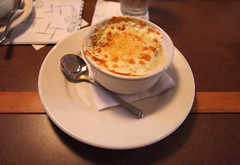 la soupe aux oignons
Dessert
Chocolate Profiteroles


Qu'est-ce que vous pouvez voir ici (What you can see here):
- Busts - les bustes
- Marble columns - colonnes de marbre
- Theatre - théâtre
- Foyer - foyer
- Tapestries - des tapestries
Repas
la soupe aux oignonsDessert
Chocolate Profiteroles

Qu'est-ce que vous pouvez entendre (What you can hear):
The thunder-le tonnerre
Qu’est-ce que tu as fait?
Moi: Au Palais Garnier, j’ai chanté.
Subscribe to:
Comments (Atom)